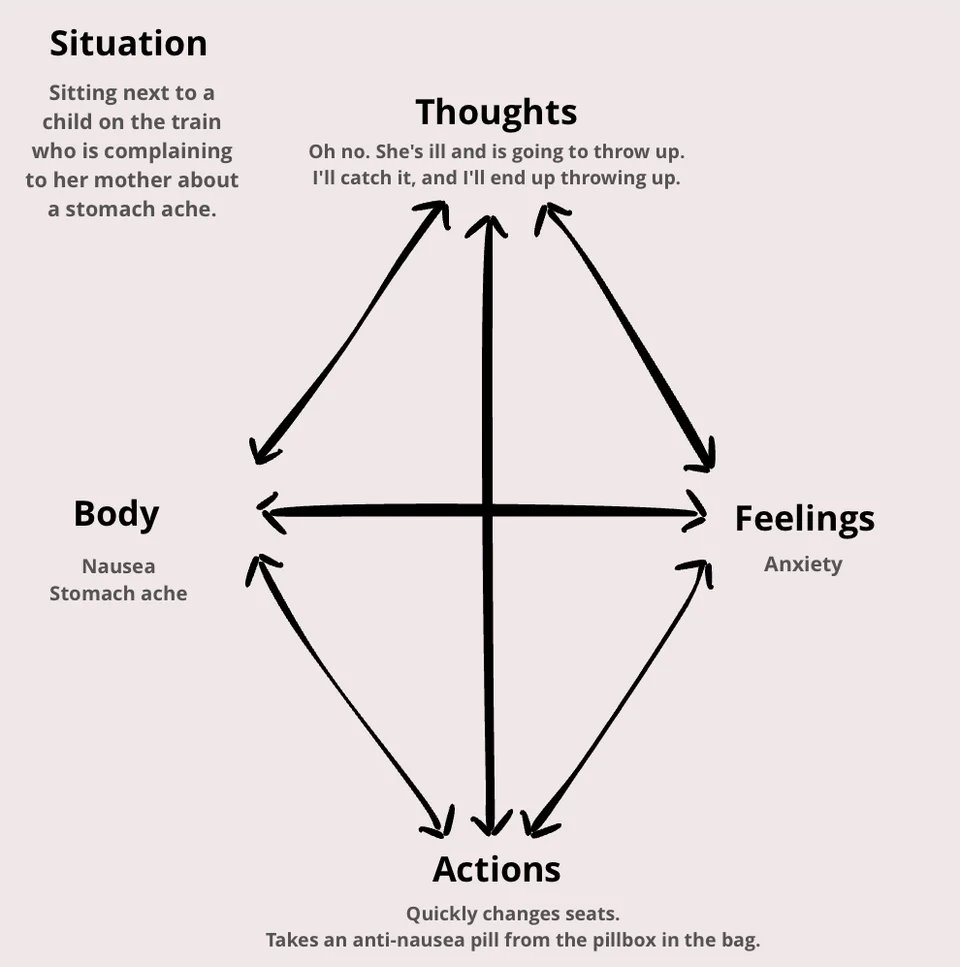
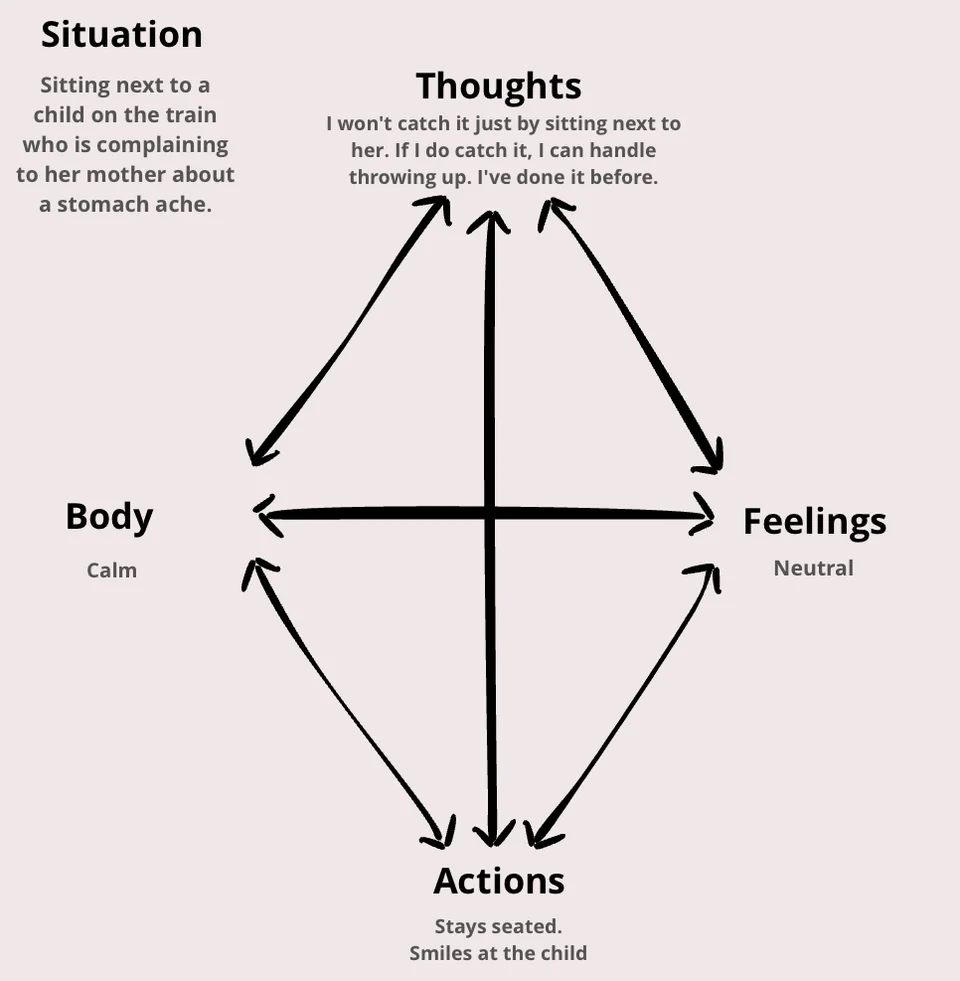
Anxiety is a completely natural feeling, just like joy, anger, sadness, surprise, grief and disgust. Everyone needs to be able to feel anxiety, otherwise it would be life-threatening. It is a survival mechanism that makes us react quickly and instinctively, defend ourselves or flee, when there is real danger.
But for many different reasons we can come to interpret situations, things, people, animals or thoughts as dangerous even though they are not. Then the natural anxiety becomes unhelpful anxiety, and it can develop into an actual mental disorder that paralyses normal life. We distinguish between normal anxiety, that is, fear and terror in situations that are actually dangerous, and clinical anxiety, where you have become afraid of something that in reality is not dangerous.
Both fear and anxiety are controlled from a small area of the brain, the amygdala. The amygdala cannot tell whether the danger is real or an interpretation, and it sets off the alarm in both cases. That is why anxiety treatment is about teaching the amygdala that there is no danger. It is an interpretation, an idea.
Anxiety is a continuum from mild nervousness to severe, disabling anxiety, where you may believe you are going mad or will die of it. So you can be nervous or apprehensive without having an anxiety diagnosis, and you can be so anxious that it takes help to bring it back to a normal level. According to the Danish Mental Health Fund (Psykiatrifonden), anxiety is one of the most widespread mental disorders in Denmark. Precise figures do not exist, partly because many people live with anxiety without getting help, but it is estimated that around 350,000-400,000 adult Danes suffer from anxiety. According to the Danish Health Authority, anxiety is the second most common reason for contacting a psychiatric emergency department and the third most common diagnosis in general practice.
In principle anyone can develop anxiety, because we all have the feeling of fear in us. We need it to survive. But some are more vulnerable than others to fear developing into anxiety. Some are born more anxious than average. It is simply genetic. Innate anxiousness does not have to lead to an anxiety disorder, however. What matters is how those around you respond to it, and what resources you yourself have to handle it. Anxiety develops in an interplay between psychological, social and biological factors.
Many of those I treat for anxiety discover along the way that they have probably always been a little anxious. Perhaps there was some anxiety in childhood that they grew out of, but a certain anxiousness lingered without affecting everyday life, and so they did not notice it. Then something happens in life, such as stress, children, divorce or an unpleasant experience, and the anxiousness flares up and becomes actual anxiety.
You can also develop anxiety entirely without innate anxiousness, for example after violent or traumatic experiences, divorce, bullying, life-threatening illness, unemployment, bereavement or stress.